
Om Swastiastu, Welcome to Bali!
Nicknamed the Island of the Gods, Bali has carved out a reputation as an enchanting tourist destination. Travelers, both local and international, are drawn to its breathtaking natural scenery, which offers the beauty of beaches, lakes, and mountains all in one place. What makes Bali even more captivating is the preservation of its traditional atmosphere, seemingly untouched by time.
The title Island of the Gods is not just a poetic label, it flows like a river through the island’s living culture. The majority of its people adhere to Hinduism, creating a spiritual harmony and deep-rooted religious tradition that permeates daily life.
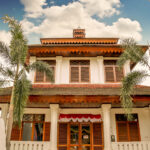
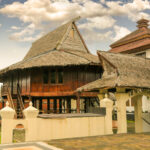
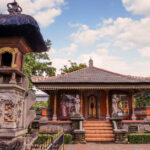
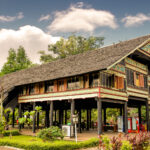
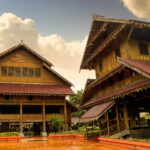
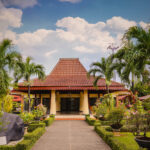
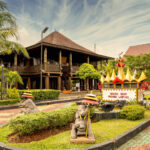
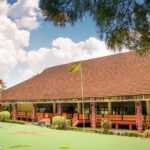
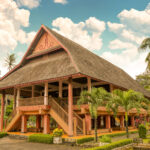
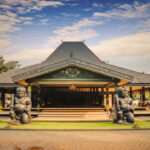
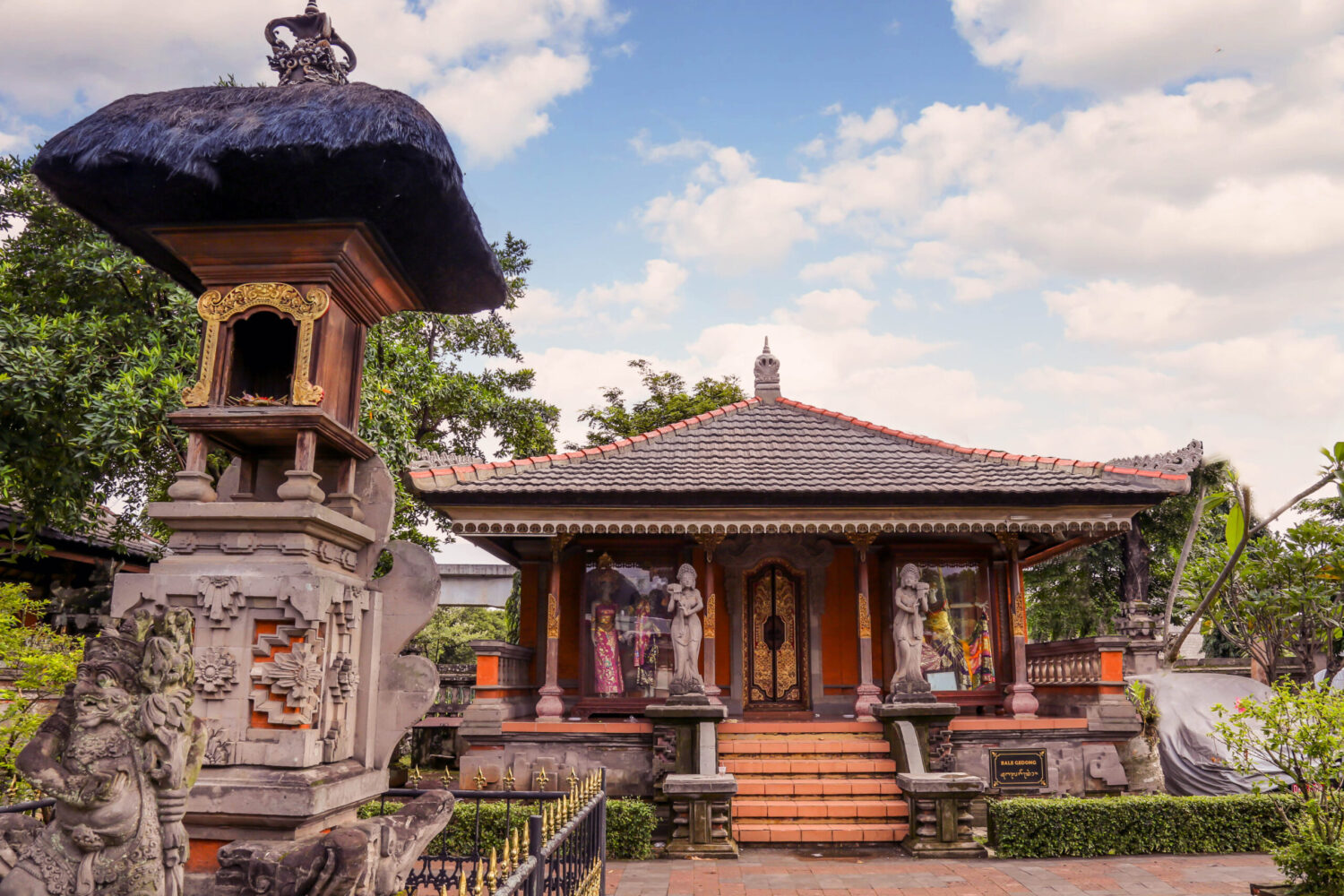
The Bali Pavilion at TMII presents a unique attraction. Here, visitors can witness traditional Balinese housing that showcases classical architecture guided by the philosophy of Tri Hita Karana. This wisdom teaches that true happiness is achieved through harmonious relationships between humans and the divine, between fellow human beings, and between humans and the natural environment.
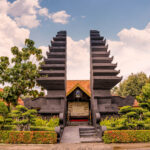
Upon entering the pavilion, the first sight to greet you is Candi Bentar, a split gateway consisting of two facing twin structures. To the left, you’ll find Balai Bengong, a breezy pavilion for relaxation. There is also Balai Wantilan, which serves as a performance hall for the arts, and Balai Paruman, a space for communal meetings and discussions.
Another structure is Balai Rangki, used for storing ceremonial tools and conducting traditional Balinese rituals. One of the key customs is Manusa Yadnya, a series of rites that mark the human life cycle—from pregnancy ceremonies, birth, tooth-cutting rituals, marriage, to funerals and beyond.
Behind Kori Agung, there is Balai Aling-Aling, which functions as a spiritual barrier designed to ward off evil forces. This reflects the belief that negative thoughts and energy should not be allowed to enter the home.
DID YOU KNOW?
Bali is renowned for its rich artistic heritage. Traditional crafts such as sculpture, mask-making, and handwoven textiles are known for their distinctive Balinese patterns and exceptional quality. In the realm of dance, Bali shines with performances like Tari Pendet, Legong, Baris, Manuk Rawa, and many more, each preserving the beauty and grace of Balinese culture.