
Kopisanangan Kinorikatan!
The cultural and natural wealth of Central Kalimantan is truly beyond question. Its artistic heritage shines through in vocal traditions such as Pantun Seloka, Karungut, Kandan, Mansana, Kalalai Lalai, and Ngendau. Its population lives in harmony, reflecting a blend of ethnic groups including Javanese, Banjar, and Dayak communities.
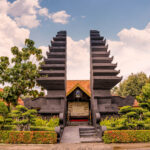
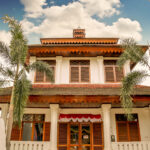
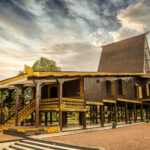
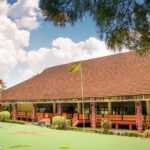
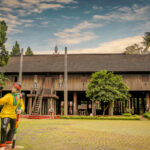
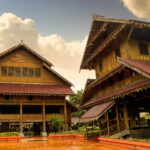
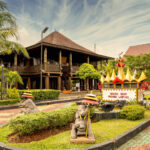
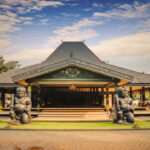
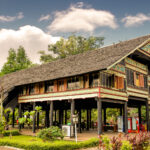
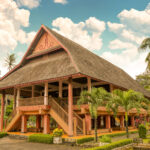
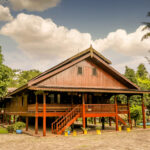
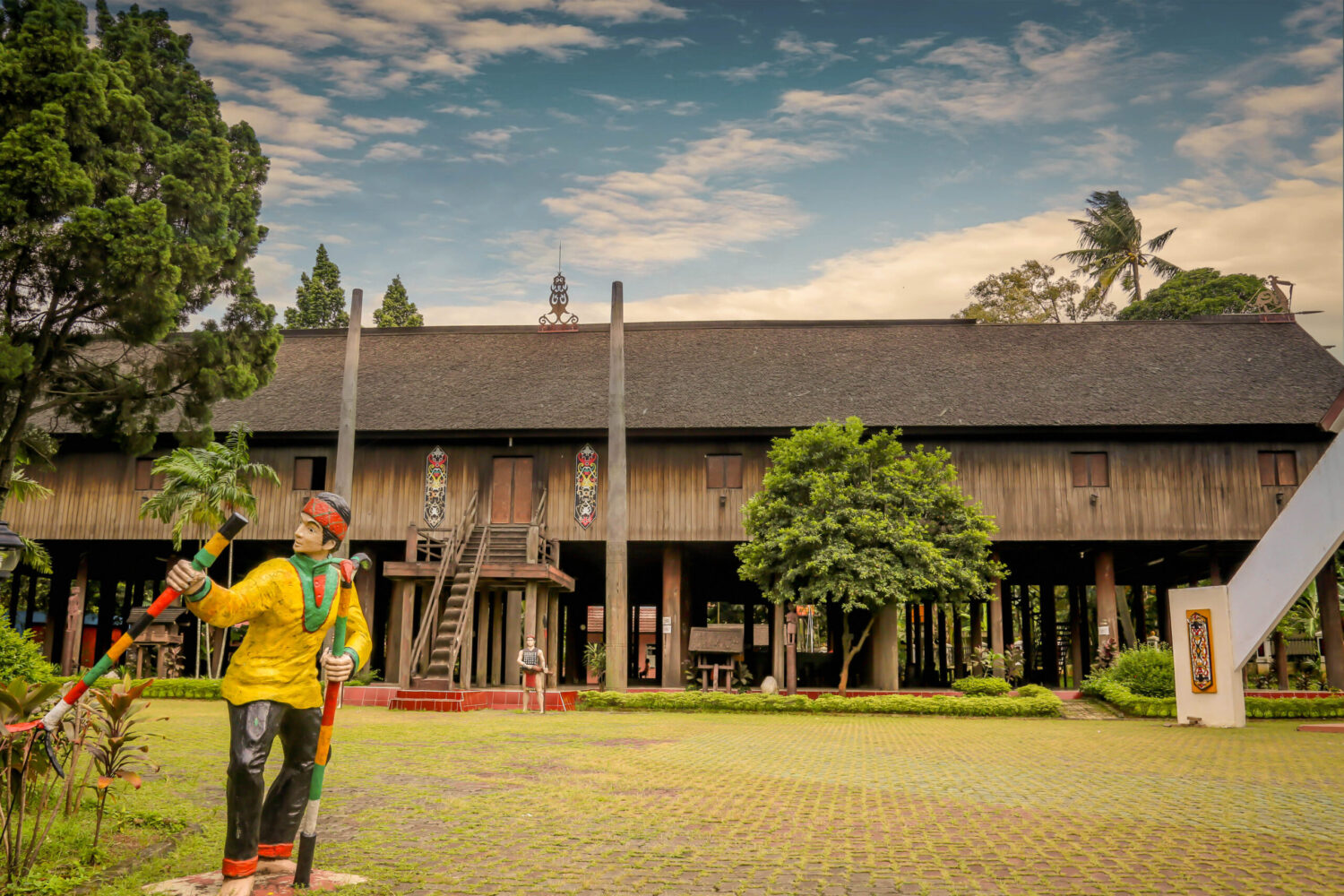
At the Central Kalimantan Pavilion in TMII, visitors are welcomed into the traditional Rumah Betang, a longhouse that holds deep cultural significance. As the ancestral home of the Dayak Ngaju people, the house is divided into several key spaces: a front area used to welcome male guests and conduct traditional ceremonies, a family room called Karung, and an open space known as Likid, where morning processing and various household activities take place. The roof is adorned with intricate carvings of spears and kalakai leaves, symbolizing strength and unity, as well as paintings of dragons and hornbills—sacred animals in Dayak belief. At the heart of the house stands the grand ceremonial pillar (luking adat), carved with sacred Kaharingan motifs, the indigenous spiritual belief of the Dayak people.
Rumah Betang also showcases forest treasures from Central Kalimantan such as dammar resin, rubber, rattan, and pasak bumi roots. Visitors can also discover traditional weapons including the mandau (a distinctive Kalimantan sword), spears, blowpipes, and talawang (shields), along with exquisite amethyst crafts and woven goods.
One fascinating element on display is the mihing, a bamboo raft used for fishing in the upper Kahayan River. Believed to possess mystical properties, the sacred equipment known as Sangiang is thought to draw both land riches and fish from the waters.
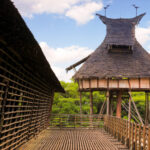
In addition to the Rumah Betang, the pavilion features two pantar Sanggaran platforms and two tall poles (pantar panjang kamelar Dare) believed to serve as pathways for spirits ascending to the heavens. There is also a sandung, a structure used to house the remains of the deceased after a special ceremonial ritual known as Tiwah.
DID YOU KNOW?
Surrounding the pavilion is a pond symbolizing a river, complete with a pair of traditional boats. These are known as Banama Riung Ajung kangkari Rayang and are believed to serve as sacred vessels for divine spirits and deities in the Hindu Kaharingan faith, practiced by many Dayak communities in Central Kalimantan.