
Onomi rehmay!
Formed in 2007 through a provincial division, West Papua emerged as a young province in the embrace of the Indonesian archipelago, leaving behind its former name, West Irian Jaya. Ethnic harmony is woven into the songs of various languages. In South Sorong, local traditions are preserved through Timor-style woven cloth, while Raja Ampat stands as the birthplace of world-renowned pearl and seaweed resources.
With its breathtaking underwater scenery, Raja Ampat has become a paradise for divers and snorkeling enthusiasts. West Papua is also rich in captivating endemic flora and fauna, from red and Wilson’s birds-of-paradise, Waigeo maleo, cockatoos and parrots, Waigeo cuscus, to a wide variety of vibrant orchids.
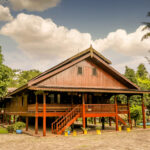
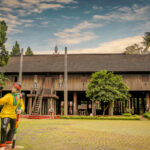
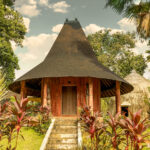
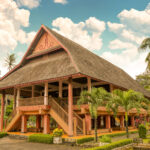
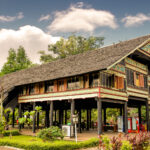
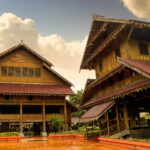
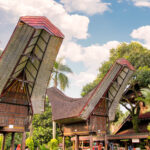
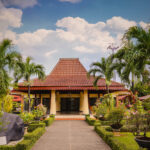
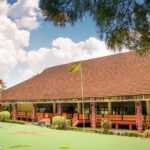
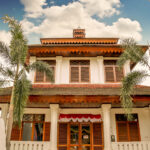
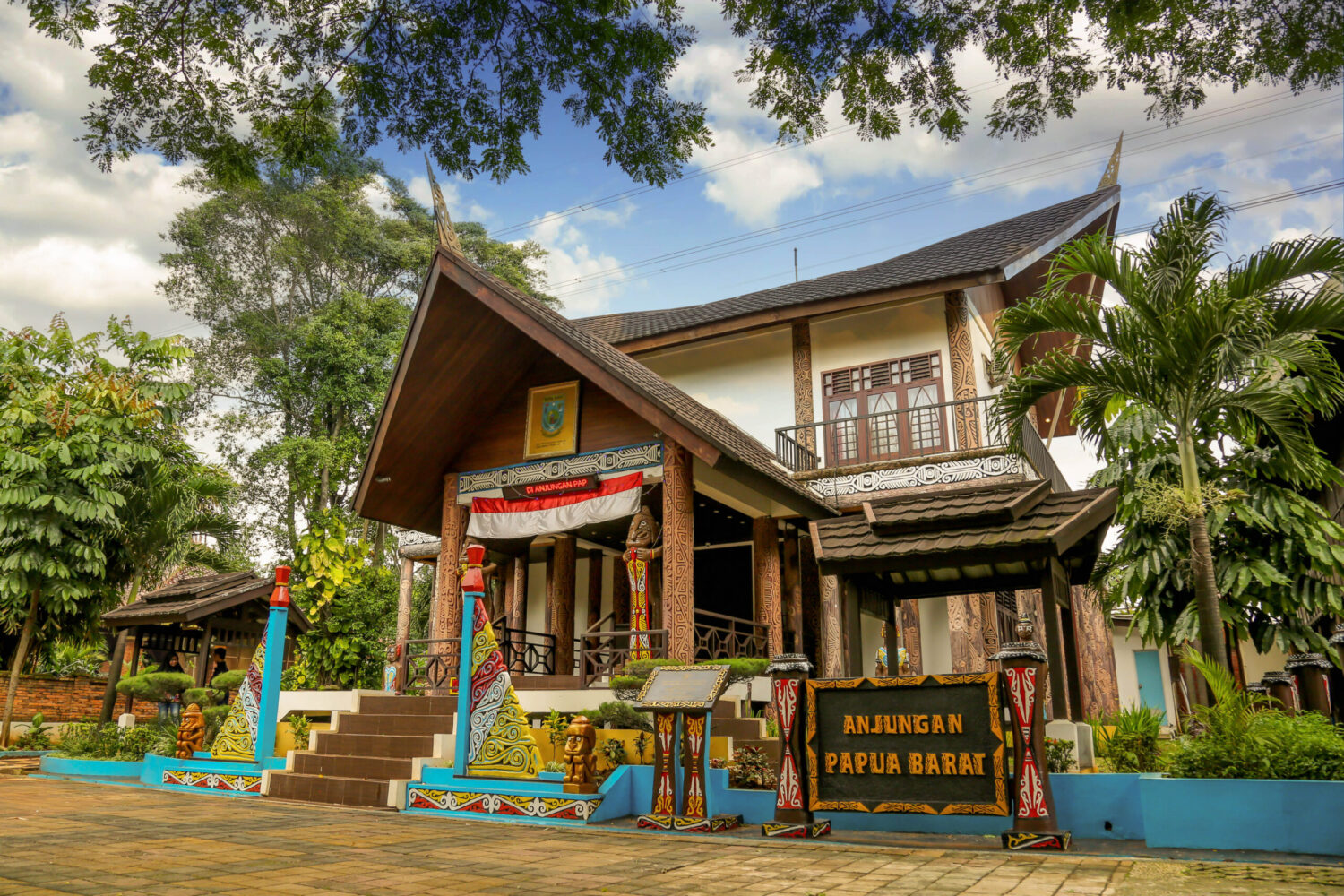
The beauty of West Papua can be experienced at its pavilion in Taman Mini Indonesia Indah (TMII). This wooden building, based on Manokwari traditional architecture, stands elevated on towering stilts. Its roof is made from sago palm leaves or thatch, and the house has no windows, only two doors at the front and back.
The deeper one travels into the interior, the higher the traditional houses are built. In some cases, the supporting stilts can reach up to four meters in height, serving as protection from enemies and threats posed by practitioners of black magic, known locally as Swanggi.
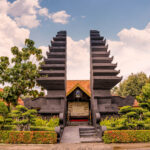
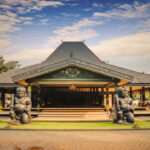
The traditional house of the Arfak tribe, known as Mod Aki Aksa or Lgkojei, and commonly referred to as the “Thousand-Legged House,” has become increasingly rare. Only a few remain scattered in remote districts in the central Arfak Mountains. A replica of this unique structure can be found in the integrated pavilion area for Indonesia’s new provinces, which also showcases a pair of traditional outfits, various musical instruments, handicrafts, noken bags, necklaces, and a wide range of distinctive ornaments from West Papua.
DID YOU KNOW?
A cave believed to be the deepest in the world was recently discovered in West Papua! This discovery was made by a French speleological expedition team in the darkness of the Lina Mountains. Hidden in Irameba Village, Anggi District, Manokwari Regency, the cave descends to a depth of 2,000 meters, harboring mysteries within its vast, shadowy chambers. Truly, West Papua is a magical stage where the mysteries of nature are etched into every stone.